
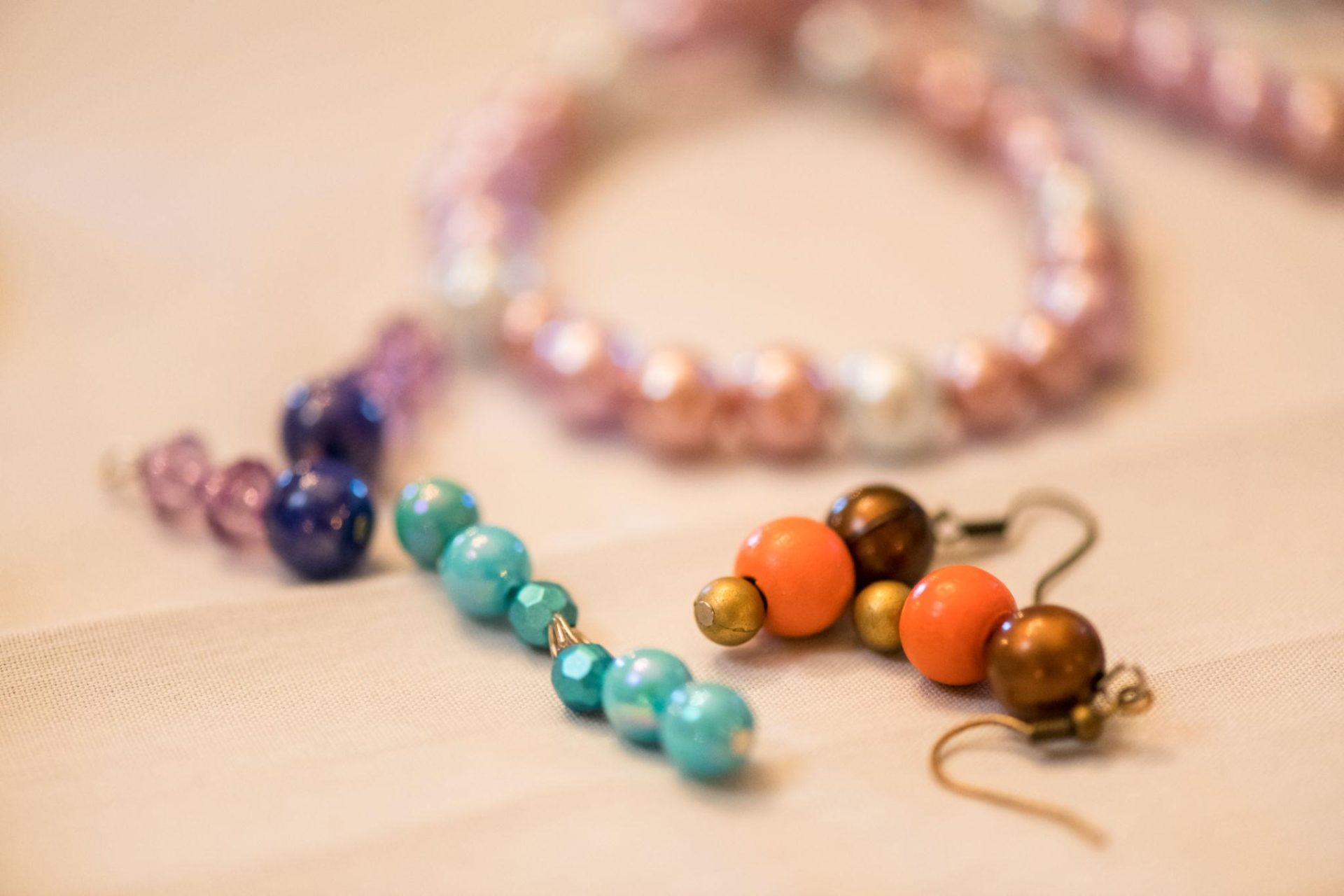
Handmade jewelry has experienced a remarkable rise in popularity over the past decade. Consumers are increasingly choosing handcrafted pieces over mass-produced accessories because they value individuality, craftsmanship, and authenticity. In a world where fast fashion dominates many product categories, handmade jewelry offers something different. It reflects personal stories, artistic effort, and thoughtful design.
This growing appreciation for handcrafted accessories is not simply a passing trend. Instead, it represents a shift toward meaningful purchases that prioritize creativity, sustainability, and connection with makers. Handmade jewelry stands out for its uniqueness, quality, and emotional significance, making it a preferred choice for many modern buyers.
What Defines Handmade Jewelry
Handmade jewelry refers to accessories created primarily through manual techniques rather than automated manufacturing. Each piece reflects the maker’s craftsmanship, skill level, and artistic interpretation.
Unlike factory-produced items, handcrafted jewelry often includes:
- Individually shaped components
- Hand-set stones
- Custom finishing techniques
- Limited production quantities
- Distinctive design variations
Because every item is made with personal attention, no two pieces are exactly identical.
The Growing Demand for Unique Personal Style
One of the strongest reasons behind the popularity of handmade jewelry is the desire for individuality. Many consumers no longer want accessories that appear identical to those worn by others.
Handcrafted jewelry allows people to:
- Express personality through design choices
- Select meaningful symbols or materials
- Support creative self-expression
- Avoid repetitive mass-market styles
Personal style has become more important than following standardized fashion trends, and handmade jewelry supports that shift.
The Appeal of Craftsmanship and Artistic Value
Handmade jewelry highlights the skill and dedication of the artist behind the piece. Buyers often appreciate the visible effort that goes into shaping metal, setting stones, or assembling beads.
Craftsmanship adds value through:
- Detailed finishing work
- Careful material selection
- Balanced proportions
- Thoughtful construction methods
Owning handcrafted jewelry creates a stronger connection between the wearer and the maker.
Sustainability Is Driving Consumer Choices
Environmental awareness has influenced purchasing decisions across many industries, including accessories. Handmade jewelry often aligns with sustainability goals because it is typically produced in smaller quantities with reduced resource consumption.
Sustainable benefits may include:
- Reduced manufacturing waste
- Use of recycled metals
- Ethical gemstone sourcing
- Lower transportation impact compared to large-scale production
These factors make handmade jewelry appealing to environmentally conscious buyers.
Supporting Independent Artists and Small Businesses
Many consumers prefer to support independent creators rather than large manufacturing companies. Purchasing handmade jewelry contributes directly to the livelihoods of artisans and small-scale entrepreneurs.
Benefits of supporting independent makers include:
- Encouraging creative industries
- Preserving traditional techniques
- Strengthening local economies
- Promoting ethical production practices
This direct connection between buyer and creator adds emotional value to each purchase.
Customization Options Make Handmade Jewelry Special
Customization plays a major role in the popularity of handcrafted accessories. Many artisans offer personalized design options that allow buyers to participate in the creative process.
Popular customization features include:
- Initial engravings
- Birthstone selection
- Adjustable sizing
- Symbolic charms
- Material preferences
Customized jewelry often becomes a meaningful keepsake rather than a temporary fashion accessory.
Higher Attention to Detail Improves Quality
Handmade jewelry frequently benefits from careful inspection during every stage of production. Unlike automated assembly lines, handcrafted processes allow artisans to monitor quality closely.
Quality advantages may include:
- Stronger structural integrity
- Precise stone placement
- Smoother surface finishing
- Balanced proportions
These details contribute to longer-lasting accessories that maintain their appearance over time.
Cultural and Traditional Influences Add Meaning
Many handmade jewelry pieces reflect cultural heritage and traditional techniques that have been passed down through generations. These influences add depth and storytelling value to each item.
Examples include:
- Regional metalworking patterns
- Traditional bead arrangements
- Symbolic engraving styles
- Heritage-inspired motifs
Wearing culturally inspired jewelry allows individuals to celebrate history while supporting artistic preservation.
Limited Production Enhances Exclusivity
Mass-produced accessories are widely available in identical forms. Handmade jewelry offers exclusivity because each piece is produced in limited quantities or as a single original creation.
Limited availability provides:
- Greater uniqueness
- Reduced likelihood of duplication
- Stronger personal connection
- Increased collectible value
This exclusivity contributes to the appeal of handcrafted accessories.
Emotional Connection Makes Handmade Jewelry Memorable
Handmade jewelry often carries emotional significance beyond its visual appearance. Buyers frequently associate these pieces with meaningful experiences or relationships.
Emotional value may come from:
- Custom design participation
- Personal gifting occasions
- Cultural symbolism
- Artistic storytelling
These connections transform jewelry from decoration into personal expression.
Versatility Across Modern Fashion Styles
Handmade jewelry complements both contemporary and traditional wardrobes. Its adaptability allows it to remain relevant across changing fashion preferences.
Examples of versatile handcrafted jewelry include:
- Minimalist metal rings
- Beaded bracelets
- Layered necklaces
- Statement pendants
This flexibility supports long-term usability.
Technological Platforms Are Expanding Access
Online marketplaces and social media platforms have made handmade jewelry more accessible than ever before. Buyers can now connect directly with artisans across different regions.
Benefits of digital access include:
- Easier customization communication
- Broader style exploration
- Transparent creator interaction
- Support for global artisan communities
Technology has played a major role in accelerating the popularity of handcrafted accessories.
Handmade Jewelry Offers Better Storytelling Value
Consumers increasingly appreciate products with meaningful backgrounds. Handmade jewelry often includes stories about inspiration, materials, and techniques used during creation.
Storytelling enhances value by:
- Creating emotional attachment
- Encouraging thoughtful purchasing decisions
- Supporting artisan recognition
- Preserving cultural identity
Story-driven accessories feel more personal than anonymous mass-produced items.
Affordable Luxury Appeal Is Attracting Buyers
Handmade jewelry often sits between fast-fashion accessories and high-end luxury brands. This positioning makes it attractive to buyers seeking quality without excessive pricing.
Advantages include:
- Unique design features
- Strong craftsmanship
- Reasonable pricing compared to luxury brands
- Greater personalization opportunities
This balance contributes to its growing popularity.
Handmade Jewelry Supports Ethical Consumer Behavior
Ethical purchasing decisions are becoming increasingly important in modern retail environments. Handmade jewelry often aligns with responsible sourcing and fair labor practices.
Ethical benefits may include:
- Transparent production processes
- Respect for artisan labor
- Reduced industrial pollution
- Support for traditional craftsmanship communities
These factors encourage consumers to choose handcrafted accessories over factory-produced alternatives.
Long-Term Value Makes Handmade Jewelry Worth Choosing
Unlike trend-driven accessories that quickly lose relevance, handcrafted jewelry often maintains its appeal over time. Its timeless nature supports lasting wardrobe integration.
Long-term value comes from:
- Durable construction
- Meaningful symbolism
- Unique artistic identity
- Personal connection with the maker
These characteristics make handmade jewelry a thoughtful investment.
Frequently Asked Questions
1. Is handmade jewelry suitable for everyday wear
Yes, many handcrafted pieces are designed for daily use and can maintain durability when made with strong materials and proper construction techniques.
2. How can buyers verify whether jewelry is truly handmade
Reviewing production details, communicating with artisans, and observing slight variations in design often helps confirm authenticity.
3. Are handmade jewelry pieces more expensive than factory-made accessories
Prices vary depending on materials and craftsmanship, but many handcrafted pieces offer strong value compared to mass-produced alternatives.
4. Can handmade jewelry include modern design styles
Yes, many artisans combine traditional techniques with contemporary aesthetics to create modern handcrafted accessories.
5. What materials are commonly used in handmade jewelry
Common materials include sterling silver, brass, copper, natural stones, beads, recycled metals, and organic fibers.
6. Is handmade jewelry a good gift choice for special occasions
Handcrafted pieces are often excellent gifts because they can be customized and carry personal significance.
7. How should handmade jewelry be stored to maintain its quality
Storing jewelry in dry environments, avoiding chemical exposure, and using soft storage containers helps preserve appearance and durability.
