
Precious jewelry holds both financial and emotional value. Whether it includes gold necklaces, diamond rings, gemstone earrings, or inherited heirlooms, proper care ensures these items remain beautiful and durable for years. Jewelry maintenance is not complicated, but it requires consistency and attention to detail.
Understanding how to clean, store, and handle jewelry correctly can prevent damage, maintain shine, and protect delicate settings. With the right habits, even frequently worn pieces can retain their original appearance for decades.
This guide explains practical methods to protect precious jewelry and extend its lifespan through simple daily practices.
Why Jewelry Care Is Important
Precious jewelry is designed to last, but exposure to moisture, chemicals, friction, and improper storage can gradually reduce its brilliance and strength. Regular care preserves both appearance and structure.
Benefits of proper jewelry maintenance include:
- Retaining natural shine and sparkle
- Preventing scratches and dents
- Protecting gemstone settings
- Reducing long-term repair costs
- Preserving sentimental value
Routine care keeps jewelry looking refined and wearable for every occasion.
Understanding Different Jewelry Materials
Each type of jewelry material requires slightly different care techniques. Learning these differences helps prevent accidental damage.
Common jewelry materials include:
- Gold
- Silver
- Platinum
- Diamonds
- Pearls
- Colored gemstones
Knowing how each material reacts to moisture, heat, and cleaning agents improves maintenance results.
Daily Habits That Protect Precious Jewelry
Simple everyday habits make the biggest difference in preserving jewelry condition. Small adjustments prevent long-term wear and damage.
Helpful daily practices include:
- Removing jewelry before household cleaning
- Avoiding exposure to perfumes and lotions
- Taking off rings before physical activities
- Storing pieces properly after use
- Wiping jewelry gently after wearing
Consistency helps maintain both shine and durability.
How to Store Jewelry Properly
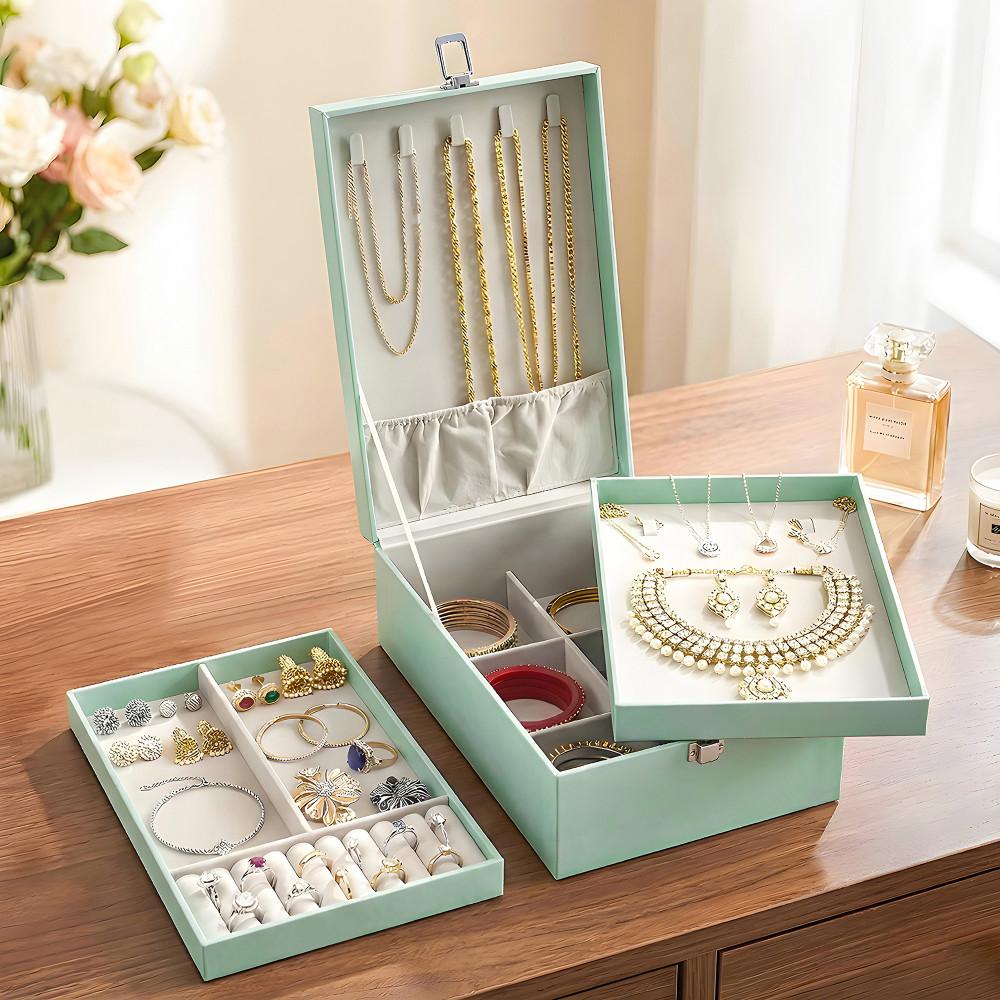
Proper storage prevents scratching, tangling, and gemstone loosening. Jewelry pieces should be stored in ways that minimize friction and moisture exposure.
Effective storage techniques include:
- Using soft-lined jewelry boxes
- Separating pieces into individual compartments
- Keeping chains fastened to prevent tangling
- Storing silver in anti-tarnish pouches
- Avoiding humid environments
Organized storage protects both delicate and sturdy items.
Cleaning Gold Jewelry Safely
Gold jewelry benefits from regular cleaning to maintain its brightness. Gentle methods work best to preserve its finish.
A safe cleaning routine includes:
- Mixing mild soap with warm water
- Soaking jewelry briefly
- Using a soft brush to remove buildup
- Rinsing with clean water
- Drying with a lint-free cloth
Avoid harsh chemicals that may weaken metal surfaces.
Caring for Silver Jewelry
Silver jewelry naturally develops tarnish when exposed to air and moisture. Regular polishing helps maintain its appearance.
Recommended care practices include:
- Storing silver in dry containers
- Using specialized polishing cloths
- Avoiding prolonged exposure to humidity
- Cleaning gently with mild soap solutions
Routine polishing restores shine without damaging the surface.
Protecting Diamond Jewelry
Diamonds are durable but still require careful handling to maintain brilliance. Dirt accumulation can reduce their sparkle.
Cleaning diamond jewelry involves:
- Soaking briefly in warm water with mild soap
- Brushing gently around the setting
- Rinsing thoroughly
- Drying carefully
Periodic inspection ensures that settings remain secure.
Special Care for Pearl Jewelry
Pearls are softer than most gemstones and require extra attention. Their surface can be damaged easily by chemicals and rough handling.
Pearl care guidelines include:
- Avoiding contact with cosmetics
- Wiping pearls after each use
- Storing separately from harder jewelry
- Wearing pearls regularly to maintain moisture balance
Gentle care helps preserve their natural luster.
Maintaining Colored Gemstone Jewelry
Colored gemstones vary widely in hardness and sensitivity. Proper care depends on the specific stone type.
General gemstone care includes:
- Avoiding sudden temperature changes
- Protecting stones from impact
- Using mild cleaning methods
- Storing pieces individually
Consulting care instructions for specific gemstones helps ensure safe maintenance.
Avoiding Chemical Exposure
Chemicals can weaken metal structures and damage gemstone surfaces. Limiting exposure is essential for preserving jewelry integrity.
Common sources of chemical exposure include:
- Household cleaning products
- Chlorinated water
- Perfumes and sprays
- Hair styling products
Removing jewelry before contact with these substances reduces long-term damage.
Removing Jewelry During Physical Activities
Physical movement increases the risk of scratches, bending, or gemstone loosening. Removing jewelry before certain activities helps prevent accidental damage.
Activities to avoid while wearing jewelry include:
- Exercising
- Swimming
- Gardening
- Lifting heavy objects
Protective habits help maintain original structure and appearance.
Scheduling Professional Inspections
Even with careful home maintenance, periodic professional inspections are important. Jewelers can detect early signs of wear that may not be visible at home.
Professional inspections help identify:
- Loose stones
- Worn prongs
- Surface scratches
- Structural weaknesses
Early repairs prevent costly restoration later.
Traveling Safely With Precious Jewelry
Travel increases the risk of loss or damage if jewelry is not packed carefully. Organized travel storage protects valuable items.
Safe travel practices include:
- Using padded travel jewelry cases
- Carrying jewelry in hand luggage
- Avoiding packing items loosely
- Limiting the number of pieces taken
Planning ahead reduces unnecessary risks during trips.
Protecting Jewelry From Environmental Factors
Environmental conditions can affect jewelry over time. Moisture, temperature changes, and air exposure influence metal and gemstone condition.
Preventive measures include:
- Storing jewelry away from sunlight
- Avoiding damp storage areas
- Keeping pieces in stable temperature environments
- Using silica gel packets when necessary
Environmental awareness improves long-term preservation.
Understanding When to Remove Jewelry Before Sleeping
Sleeping while wearing jewelry may cause tangling or structural stress. Removing pieces before bedtime helps maintain shape and finish.
Reasons to remove jewelry before sleeping include:
- Preventing chain breakage
- Avoiding gemstone loosening
- Reducing metal bending risk
- Protecting skin from irritation
This simple habit significantly extends jewelry lifespan.
Insurance and Documentation for Valuable Pieces
Highly valuable jewelry should be properly documented and insured. Keeping records supports recovery efforts if items are lost or damaged.
Important documentation includes:
- Purchase receipts
- Photographs
- Appraisal certificates
- Warranty information
Proper documentation protects financial investment.
Passing Jewelry Through Generations
Precious jewelry often carries emotional meaning across generations. Proper care ensures these items remain wearable and valuable for future family members.
Long-term preservation strategies include:
- Storing heirloom pieces carefully
- Scheduling periodic inspections
- Cleaning items before long-term storage
- Avoiding unnecessary resizing
Thoughtful care helps maintain both beauty and legacy value.
Frequently Asked Questions
1. How often should precious jewelry be professionally cleaned
Most jewelry benefits from professional cleaning once or twice each year depending on how frequently it is worn.
2. Is ultrasonic cleaning safe for all types of jewelry
Ultrasonic cleaning works well for some metals and diamonds but may damage softer gemstones such as pearls or opals.
3. Can jewelry lose its shine even with regular cleaning
Yes, normal wear can reduce shine over time, but polishing and professional maintenance can restore appearance effectively.
4. Should jewelry be stored together or separately
Separate storage prevents scratching and tangling, especially when mixing hard gemstones with softer materials.
5. What temperature conditions are best for jewelry storage
Stable room temperature environments with low humidity help preserve both metal and gemstone quality.
6. Is it safe to wear jewelry during swimming in freshwater lakes
Freshwater exposure is generally less harmful than chlorinated water, but removing jewelry still reduces risk of loss or damage.
7. How can someone tell if a gemstone setting needs repair
Signs include movement within the setting, unusual sounds when tapped gently, or visible gaps around the stone.
