
Travel has long shaped how people dress, express themselves, and structure their daily routines. As individuals move across borders and cultures, they absorb new ideas about aesthetics, comfort, identity, and social values. These experiences often reshape wardrobes and influence lifestyle habits in subtle yet lasting ways.
Today, travel influences fashion and lifestyle more rapidly than ever before. Social media exposure, global tourism, and cross-cultural collaboration have created a dynamic exchange of styles that reaches far beyond traditional fashion capitals. The result is a modern lifestyle that blends practicality, cultural awareness, and personal storytelling through clothing choices and daily habits.
The Connection Between Travel and Personal Style
Travel introduces people to environments that challenge their usual routines. Climate differences, cultural expectations, and unfamiliar settings encourage experimentation with new clothing choices. Over time, these experiences help travelers refine their sense of style.
Exposure to international fashion trends broadens perspectives. Someone visiting coastal regions may adopt relaxed linen clothing, while time spent in colder climates may inspire layered styling techniques. These adaptations often continue long after the trip ends.
Travel also encourages individuals to:
- Step outside their comfort zones
- Experiment with unfamiliar silhouettes
- Appreciate handmade and local craftsmanship
- Value versatility in wardrobe choices
As travelers return home, these influences become integrated into everyday dressing habits.
Cultural Exchange as a Fashion Catalyst
One of the strongest ways travel shapes fashion is through cultural exchange. Each region carries its own history of textiles, patterns, and tailoring techniques. Encountering these traditions firsthand deepens appreciation for clothing as more than just appearance.
Travelers often bring home items that represent their experiences, such as:
- Handwoven scarves from local markets
- Embroidered jackets
- Traditional jewelry pieces
- Natural-fiber garments unique to a region
These items become meaningful additions to personal wardrobes rather than temporary souvenirs.
More importantly, exposure to different cultures encourages respect for authenticity and craftsmanship. People begin to look beyond fast fashion and explore clothing with stories behind it.
Climate Awareness and Functional Dressing
Climate plays a powerful role in shaping lifestyle habits during travel. Moving between environments teaches travelers how clothing supports comfort, efficiency, and adaptability.
For example:
- Tropical destinations encourage breathable fabrics
- Urban travel promotes lightweight layering
- Mountain regions inspire durable outerwear
- Desert climates highlight sun-protective clothing
These experiences often lead travelers to build wardrobes that prioritize function alongside aesthetics.
As a result, travelers increasingly choose clothing that supports movement, flexibility, and long-term use rather than short-term trends.
Minimalism and the Rise of Capsule Wardrobes
Frequent travel teaches an important lesson: packing efficiently requires thoughtful wardrobe planning. Carry-on restrictions and mobility needs encourage travelers to rethink how many items they truly need.
This realization often leads to the adoption of capsule wardrobes built around:
- Neutral color palettes
- Multi-purpose garments
- Comfortable footwear
- Wrinkle-resistant fabrics
Minimalist packing habits frequently transition into everyday lifestyle changes. People begin purchasing fewer items but choosing higher-quality pieces that last longer and coordinate easily.
This shift supports both sustainability and practicality.
Travel as a Gateway to Sustainable Fashion Choices
Travel exposes individuals to environmental differences that highlight the importance of responsible consumption. Visiting regions affected by pollution, textile waste, or climate challenges often encourages travelers to reconsider their purchasing habits.
Sustainable fashion becomes more appealing because travelers recognize the impact of global manufacturing practices.
Many travelers begin to:
- Support local artisans
- Choose natural fabrics
- Reduce impulse purchases
- Invest in long-lasting clothing
This mindset reflects a broader lifestyle transformation that values responsibility alongside style.
Global Street Style as Everyday Inspiration
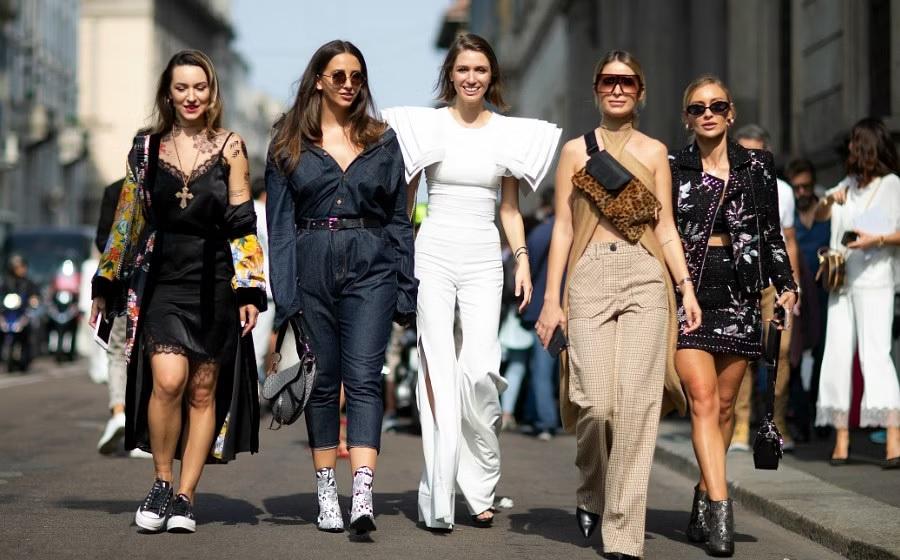
Street style from cities around the world plays a major role in shaping fashion identity. Unlike runway fashion, street style reflects practical creativity influenced by real-life environments.
Travelers frequently draw inspiration from cities known for distinctive fashion personalities, including:
- Paris for timeless elegance
- Tokyo for bold experimentation
- Milan for tailored sophistication
- New York for expressive individuality
Observing how locals dress in daily life helps travelers rethink how clothing functions within different cultural settings.
Street fashion teaches adaptability. It shows how layering, accessories, and color choices communicate personality without sacrificing comfort.
Travel Encourages Confidence in Self-Expression
Being in unfamiliar environments encourages people to explore new aspects of identity. Travel removes routine expectations and allows individuals to experiment with style choices they might avoid at home.
For example, travelers often feel more comfortable trying:
- Statement accessories
- Brighter color palettes
- Traditional garments
- Unique layering combinations
These experiences build confidence that continues after returning home.
Fashion becomes a form of storytelling rather than simple appearance management.
Lifestyle Changes Inspired by Travel Experiences
Fashion is only one part of the transformation travel creates. Lifestyle habits also evolve through exposure to different cultural rhythms and priorities.
Travel often encourages people to adopt healthier routines such as:
- Walking more frequently
- Choosing practical clothing for movement
- Spending time outdoors
- Valuing comfort alongside presentation
These changes influence purchasing decisions and daily wardrobe planning.
Instead of dressing only for appearance, people begin dressing for experiences.
The Influence of Local Markets and Artisan Craftsmanship
Local markets offer travelers insight into clothing production methods that differ from industrial manufacturing. Seeing artisans at work creates appreciation for craftsmanship that mass-produced garments cannot replicate.
Travelers often develop stronger connections with clothing when they understand:
- Where materials come from
- How garments are constructed
- Who creates them
- Why designs reflect regional identity
This awareness reshapes lifestyle values around quality and authenticity.
It also encourages support for smaller producers rather than large-scale fashion chains.
Digital Sharing and the Spread of Travel-Inspired Fashion
Technology has amplified how travel influences fashion and lifestyle. Travelers now document experiences instantly and share them across platforms where global audiences participate in style exchange.
Photos taken in international destinations inspire viewers to explore:
- New layering techniques
- Regional textiles
- Travel-friendly accessories
- Functional outfit combinations
This constant exposure accelerates the blending of global styles into everyday wardrobes.
Fashion becomes more collaborative and less restricted by geography.
Travel Accessories That Shape Everyday Habits
Travel introduces people to accessories designed for convenience and efficiency. Many of these items become permanent parts of daily routines.
Examples include:
- Crossbody bags for hands-free movement
- Lightweight scarves for versatility
- Comfortable walking shoes
- Compact backpacks
These accessories reflect a shift toward practicality that continues beyond travel experiences.
Lifestyle priorities gradually shift toward mobility and flexibility.
Culinary Travel and Its Influence on Lifestyle Identity
Food experiences during travel also shape lifestyle habits that indirectly affect fashion choices. Exposure to different culinary traditions encourages healthier eating patterns, slower routines, and greater cultural awareness.
When people adopt these habits, their clothing preferences often follow. Relaxed silhouettes, breathable fabrics, and functional designs become more appealing as lifestyles become more active and experience-driven.
Fashion evolves alongside personal priorities.
Travel Builds Awareness of Cultural Sensitivity in Fashion
Modern travelers increasingly recognize the importance of cultural awareness when engaging with international fashion traditions. Understanding the meaning behind garments promotes respectful appreciation rather than imitation.
This awareness encourages individuals to:
- Learn the history of clothing traditions
- Support authentic producers
- Avoid misrepresentation
- Value cultural storytelling through fashion
Respectful engagement strengthens global connections and promotes ethical fashion practices.
How Travel Shapes Long-Term Lifestyle Identity
Over time, travel becomes part of personal identity. Clothing choices begin reflecting memories, experiences, and cultural exposure rather than seasonal trends alone.
Travel-inspired wardrobes often include:
- Pieces collected during meaningful journeys
- Neutral travel-ready essentials
- Comfortable layering combinations
- Accessories with personal significance
Lifestyle decisions also reflect travel values such as adaptability, curiosity, and openness.
Fashion becomes a record of experiences rather than simply a response to trends.
Frequently Asked Questions
How does travel influence everyday clothing choices?
Travel encourages people to prioritize comfort, versatility, and practicality. Exposure to different climates and cultures leads to more thoughtful wardrobe planning that supports movement and adaptability.
Can travel help people develop a unique personal style?
Yes. Exposure to diverse fashion traditions helps individuals experiment with colors, fabrics, and silhouettes that reflect their personality rather than relying only on mainstream trends.
Why do travelers often prefer minimalist wardrobes?
Packing limitations encourage efficiency. Travelers learn to rely on fewer items that can be mixed and matched easily, which often leads to long-term minimalist habits.
Does travel increase interest in sustainable fashion?
Travel often increases awareness of environmental and cultural impacts related to clothing production. Many travelers begin supporting ethical brands and local artisans after witnessing global manufacturing differences.
How do local markets influence travelers’ fashion perspectives?
Local markets introduce travelers to handcrafted textiles and traditional techniques. These experiences encourage appreciation for quality craftsmanship and cultural authenticity.
What role does climate play in shaping travel-inspired fashion?
Climate teaches travelers how to select breathable fabrics, protective layers, and versatile garments. These lessons often influence everyday clothing decisions after returning home.
Can travel influence lifestyle habits beyond clothing?
Yes. Travel affects daily routines, movement habits, food preferences, and cultural awareness. These changes often reshape how individuals approach both fashion and overall lifestyle choices.
